Water Sampling

The Challenge of Manual Water Sampling

manual water sampling

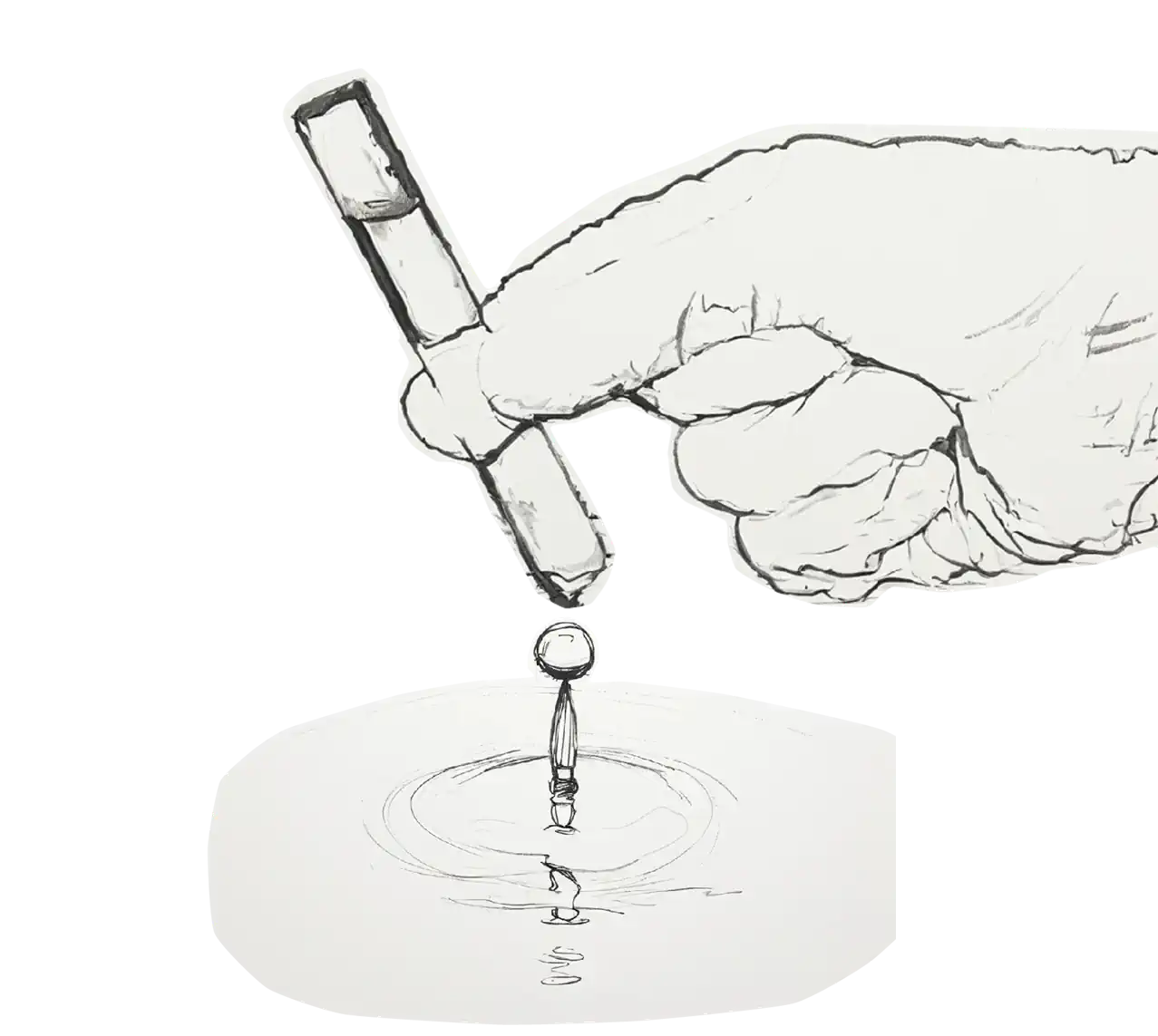
Manual water sampling over days, weeks, or months sounds simple, but in practice it is often difficult to do consistently.

Someone has to be on site at the right time, in the right weather, and often at locations that are hard to access. Small timing differences can affect the data, and every manual handling step increases the risk of contamination. In dynamic systems, a single daily sample can also miss short-term events such as rainfall pulses, runoff peaks, irrigation events, or rapid changes in water chemistry.

Automated sampling solves this problem by collecting samples at defined times, after sensor triggers, or during specific environmental events.


1. AquaMate

Autonomous Water Sampling for Field and Research Applications

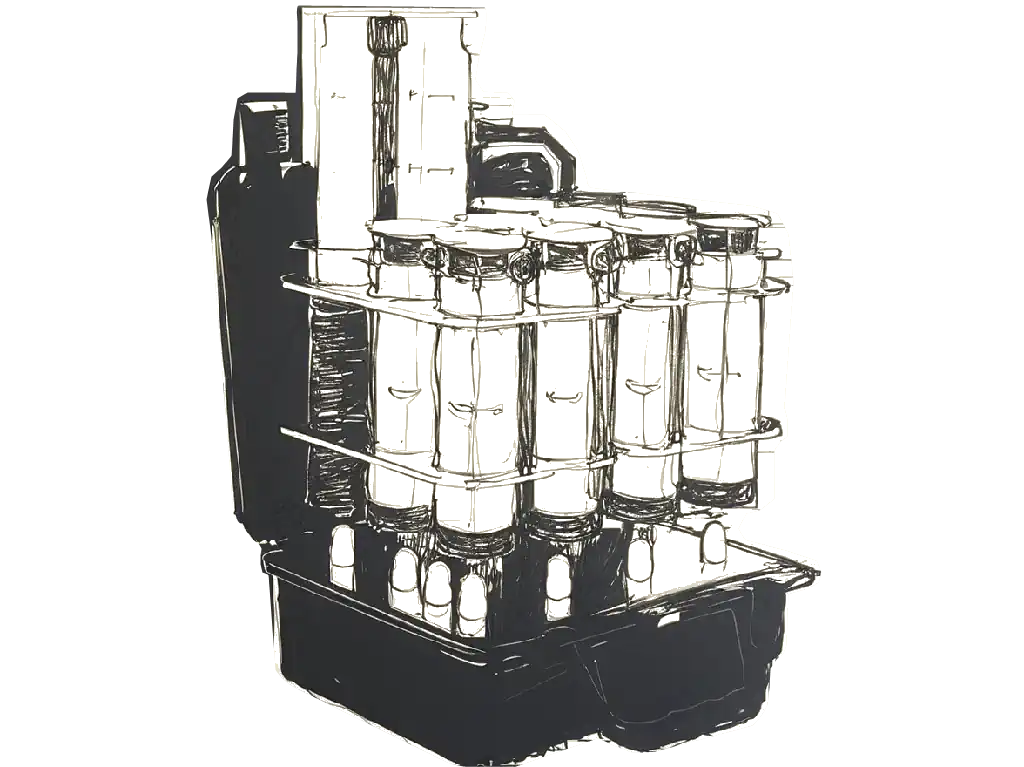
AquaMate is designed for flexible, autonomous water sampling in field and laboratory applications. It can collect up to 60 individual samples, with sample volumes ranging from small laboratory volumes to several liters, depending on the configuration.

It is the preferred solution when water conditions are variable, when higher sample volumes are required, or when the sampling point may contain particles, suspended matter, biofilm, or natural debris.

Typical use cases

River and stream monitoring
Lake and wetland sampling
Runoff and drainage studies
Wastewater or process water sampling
Sensor-triggered water quality sampling
Long-term field deployments
Event-based sampling during storms or discharge peaks

Key benefits

Collects up to 60 individual samples
Supports small to large sample volumes
Suitable for long-term deployments
Can be triggered by time, sensor data, or remote command
Line purging reduces carry-over between samples
Designed for real environmental sampling conditions


2. AutoSampler8 Clean Water Sampling

Compact Sampling for Clean, Low-Particle Water

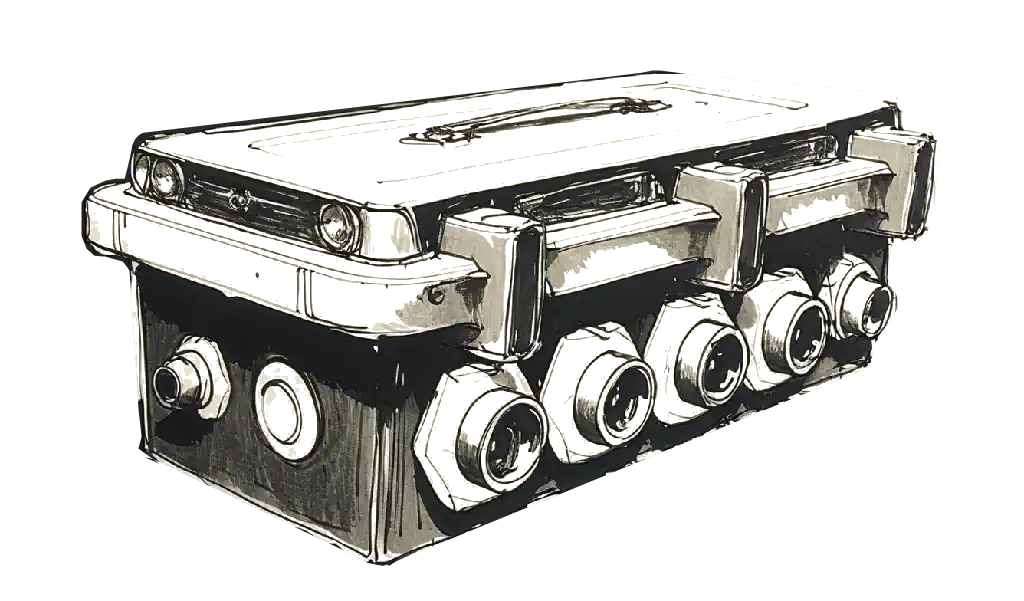
The AutoSampler8 can also be configured as a compact water sampler for applications where the sampled water is clean, filtered, or naturally low in particles.

This configuration is ideal when only a limited number of samples are needed and the water source is not expected to clog tubing, valves, or the peristaltic pump. The system can collect water into up to seven sample containers, while one valve position can be reserved for flushing or system cleaning.

Because the AutoSampler8 uses smaller internal fluid paths than AquaMate, the water must be suitable for this type of system. If particles, sediment, algae, biofilm, or debris are present, a suitable filter or pre-separation step is required. Otherwise, clogging may occur and the system can be damaged.

Typical use cases

Rainwater collection
Cave drip water sampling
Filtered water sampling
Clean process water sampling
Laboratory incubation sampling
Condensate or leachate sampling after filtration
Low-volume event-based water sampling

Key benefits

Compact system for clean water sampling
Up to seven sample containers plus one flush position
Suitable for rainwater, drip water, and filtered water
Optional MQ water flushing
Automatic emptying of collection funnel or bucket
Useful for event-based sampling where AquaMate would be oversized

Important limitation

The AutoSampler8 water configuration is intended for clean or pre-filtered water only. It is not designed for particle-rich environmental water unless proper filtration is installed. Suspended sediment, algae, insects, organic debris, precipitates, or biofilm can clog the system and may damage valves, tubing, or the pump.

For natural water with uncertain particle load, AquaMate is the safer and more robust option.


3. Rainwater and Drip Water Collection

Event-Based Sampling of Clean Atmospheric or Drip Water

For rainwater, cave drip water, roof runoff after filtration, or other clean event-based water sources, the AutoSampler8 can operate as an autonomous event sampler.

Water first accumulates in a collection funnel or bucket. Once a programmed condition is met, for example a defined time, water level, volume, or external alarm, the system transfers one sample into a selected container. The line can then be flushed, and the collection chamber can be emptied so the system is ready for the next event.

Typical use cases

Rain event sampling
Cave drip water monitoring
Throughfall or stemflow after pre-filtration
Clean roof runoff sampling
Deposition studies
Short-term event chemistry
Isotope or nutrient sampling from clean water sources

Key benefits

Captures individual events automatically
Avoids mixing between events
Optional flushing for cleaner sample handling
Automatic emptying of the collector
Compact alternative to larger water samplers
Good for remote or hard-to-access sites